Chapter 3 (Episode 2) : The Bus, the Waterfall, and Google Translate
My destination that day was Fukiware no Taki, often called “the Niagara of the East.”
The phrase alone promised drama, but Japan has its own way of being impressive—quiet, restrained, and confident enough not to brag.
At the bus stop, I asked the driver,
“Fukiware?”
He frowned slightly. Panic flickered.
So I escalated. Google Translate came out like a diplomatic envoy.
“Is this bus going to the waterfalls?”
He read it, laughed softly, and nodded.
“Hai, hai.”
Crisis averted. I made a mental note to thank the gods of mobile data later.
The bus rolled through sleepy towns and faded countryside. When it finally stopped, the air outside carried a steady roar—low, constant, and impossible to ignore. I followed the sound.
The river appeared between the rocks, carving through stone as if it had been practicing for centuries.
At the main viewpoint, water spilled over smooth, curved rock like silk unraveling—powerful, but never loud.
It wasn’t Niagara.
It didn’t need to be.
This was Japan: beauty that whispers instead of shouting.
A narrow bridge crossed the river, and beyond it, a small forest path led deeper into the woods.
I walked slowly at first—until I noticed a wooden sign that read:
“Be careful — bear.”
I kept moving.
My attention now split evenly between admiring nature and scanning the forest, hoping the local wildlife had other plans.
Eventually, the rhythm of my footsteps and the rustle of leaves lulled me into calm. The warning sign slipped from my mind, replaced by air so clean it felt intentional—like the forest wanted me to notice every breath.
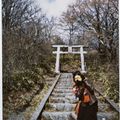
At the end of the trail stood a tiny jinja, tucked quietly among the trees.
It was humble, unassuming—clearly not built for crowds.
I bowed lightly and whispered,
“Arigatō, Fukiware.”
Not for the waterfall itself, but for the stillness it offered.
#Japan
#Gunma
#SoloTravel
#TravelDiary
#SlowTravel
#TravelWriting
#JapaneseFood
#Shokudo
#LocalLife
#ForeignersInJapan
ดูเพิ่มเติมในซีรีส์
โฆษณา
- ดาวน์โหลดแอปพลิเคชัน
- © 2026 Blockdit